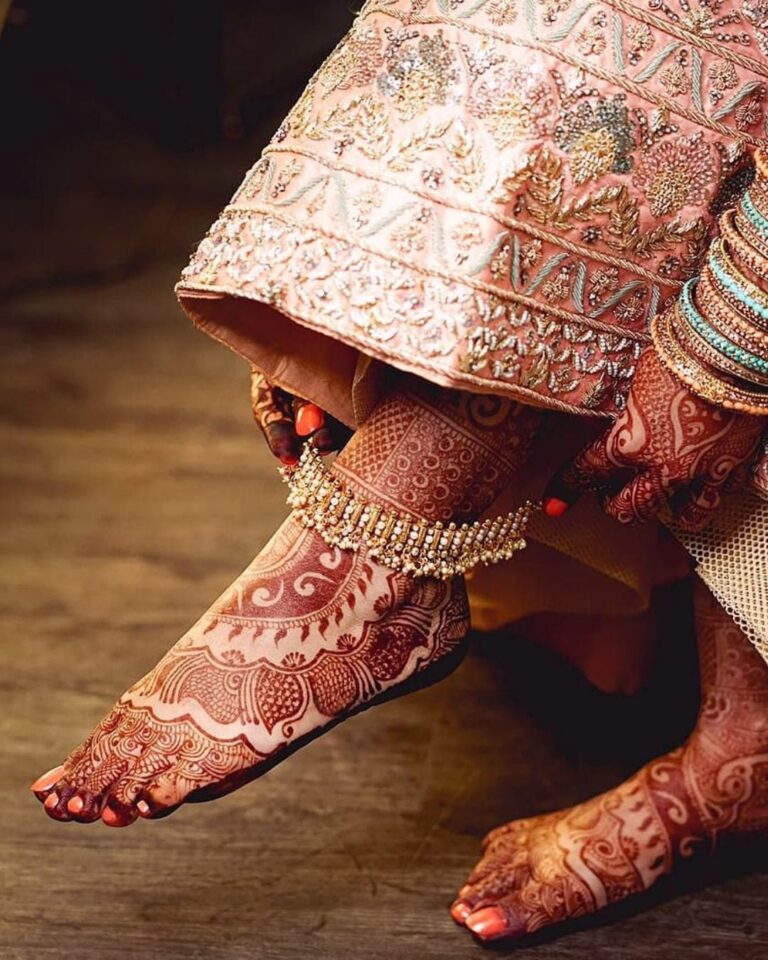
Mehndi, an ancient form of body art, holds a significant place in Pakistani culture. It is a form of temporary tattooing where intricate designs are created on the skin using henna paste. Pakistani Mehndi is known for its exquisite patterns, rich symbolism, and the joyous celebrations associated with its application. Let’s delve into the world of Pakistani Mehndi and explore its cultural significance.
When the bride applies henna, her beauty is enhanced by its fragrance and color. Henna is the bride’s most beloved cultural tradition, which you can learn more about from mywedideas.
1. Historical Origins:
Mehndi has a long history in South Asia, dating back thousands of years. Its origins can be traced to ancient India, where it was believed to bring good luck and ward off evil spirits. Over time, Mehndi became an integral part of Pakistani culture, particularly during weddings, festivals, and religious ceremonies.
2. Traditional Designs and Patterns:
Pakistani Mehndi designs are renowned for their intricate details and elaborate patterns. These designs often feature floral motifs, geometric shapes, peacocks, paisleys, and traditional cultural symbols. The skilled Mehndi artists use cones or tubes filled with henna paste to create mesmerizing designs that adorn the hands and feet of women.
3. Cultural Significance:
Mehndi holds immense cultural significance in Pakistani society. It is an integral part of wedding celebrations, where the bride and her female relatives and friends apply Mehndi as a symbol of joy, beauty, and auspiciousness. The Mehndi ceremony, known as “Mehndi Ki Raat,” is a lively event filled with music, dance, and laughter.
4. Symbolism and Rituals:
Apart from its decorative aspect, Pakistani Mehndi carries deep symbolism. The bride’s Mehndi design often incorporates hidden initials or the groom’s name, adding an element of love and anticipation to the festivities. It is believed that the darker the Mehndi stain, the stronger the love between the couple.
5. Regional Variations:
Pakistan’s diverse culture gives rise to regional variations in Mehndi designs. Each province, such as Punjab, Sindh, Balochistan, and Khyber Pakhtunkhwa, has its distinct style and patterns. For instance, Punjabi Mehndi designs are bold and intricate, while Sindhi Mehndi is characterized by its mirror work and fine details.
6. Modern Trends:
While traditional designs remain popular, contemporary trends have also made their way into Pakistani Mehndi. Fusion styles, incorporating elements from Arabic, Moroccan, and Indian Mehndi, are gaining popularity among the younger generation. Mehndi artists are experimenting with new techniques, such as glitter accents, colored stones, and even incorporating personal narratives into the designs.
Conclusion:
Pakistani Mehndi is a timeless art form that beautifully embodies the country’s cultural heritage. It serves as a means of self-expression, celebration, and a symbol of love and joy. The intricate patterns and elaborate designs continue to captivate people worldwide, making Pakistani Mehndi a cherished tradition that will endure for generations to come. So, the next time you witness the graceful swirls of Mehndi adorning a hand, appreciate the cultural significance and the artistic beauty behind this ancient art form.