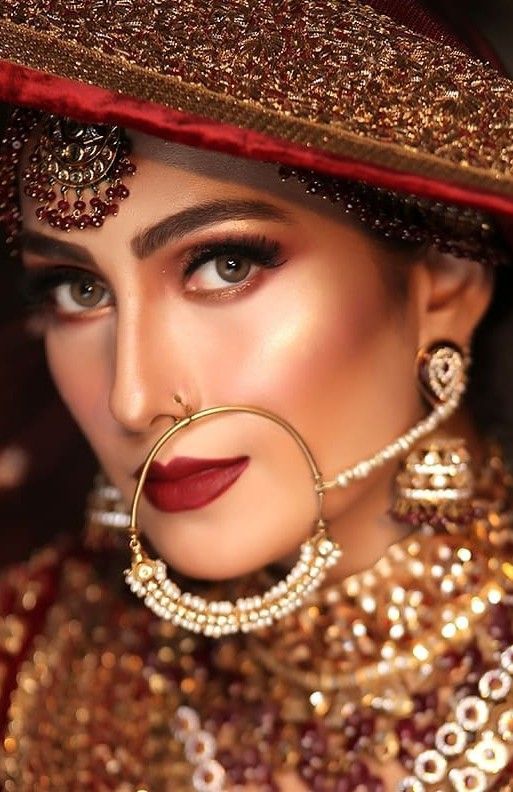
When it comes to Pakistani weddings, one cannot overlook the enchanting allure of bridal jewelry, for it is not merely an accessory but a cherished symbol of everlasting love and commitment. Known for its intricate designs, opulent gemstones, and rich cultural heritage, Pakistani bridal jewelry holds a special place in the hearts of brides-to-be. In this blog, we mywedideas delve into the captivating world of Pakistani bridal jewelry, where timeless traditions intertwine with modern trends, creating a harmonious blend of elegance and style. Join us as we explore its traditional significance, popular styles, and the stunning craftsmanship that makes it truly exceptional, inspiring countless mywedideas for brides-to-be.
“Mywedideas informs you about various traditional, popular, historical, and modern Pakistani jewelries.”
1. Historical Significance:
Pakistani bridal jewelry reflects a remarkable blend of Mughal, Persian, and indigenous influences. The art of adorning oneself with elaborate jewelry has been deeply rooted in Pakistani culture for centuries. Each piece carries a historical significance, symbolizing prosperity, marital bliss, and societal status.
2. Traditional Elements:
Pakistani bridal jewelry incorporates various traditional elements that make it unique. From intricate filigree work (Jali) and floral motifs (Phool), to elaborate gemstone settings and dangling beads, every piece is a work of art. Gold, silver, and precious gemstones like emeralds, rubies, and diamonds are commonly used, adding a touch of grandeur.
3. Popular Styles:
a) Jhoomar/Passa: This exquisite headpiece, worn on one side of the forehead, adds a regal charm to the bridal look. b) Matha Patti: Adorning the entire forehead, the Matha Patti is a statement piece that beautifully frames the face.
c) Haar: A long, layered necklace that accentuates the neckline, the Haar is often embellished with pearls and gemstones. d) Rani Haar: Symbolizing royalty, this long necklace with a large centerpiece is a staple in Pakistani bridal jewelry.
e) Jhumka: These elaborate, bell-shaped earrings are known for their intricate craftsmanship and are often paired with matching necklaces. f) Bangles: Stacked bangles, traditionally made of gold or glass, are worn to adorn the bride’s wrists. g) Nath: The traditional nose ring adds a touch of elegance and grace to the bridal look.
4. Craftsmanship:
The creation of Pakistani bridal jewelry involves skilled artisans who painstakingly craft each piece by hand. Techniques like Kundan, Meenakari, and Polki are used to achieve intricate designs and a flawless finish. The dedication and artistry of these craftsmen ensure that every piece becomes a precious heirloom.
5. Modern Trends:
While traditional designs remain popular, contemporary influences have also made their mark on Pakistani bridal jewelry. Fusion designs that combine traditional elements with modern aesthetics have gained popularity, allowing brides to embrace their cultural heritage while adding a touch of individuality to their bridal ensemble.
Conclusion:
Pakistani bridal jewelry represents the epitome of elegance, tradition, and craftsmanship. From the intricate details of each piece to the mesmerizing gemstones that adorn them, it is a testament to the rich cultural heritage of Pakistan. Whether it’s a grand Haar or delicate Jhumka, these pieces not only enhance the bride’s beauty but also serve as a symbol of love, tradition, and the beginning of a new chapter in her life.
As Pakistani brides embark on their journey, they carry with them the legacy of centuries-old traditions, beautifully showcased through their exquisite bridal jewelry.